Technical selection
Specifications and configuration
Reference — MA1YHZ0102(1.0)
| Parameter | Documented value / configuration |
|---|---|
| Model identity | MA1YHZ0102(1.0) water leakage detection cable |
| Detection method | Conductive-liquid detection through internal conductors |
| Operating temperature | -40 to 70 °C |
| Construction | Braided dust-resistant outer layer around conductive inner wires |
| Service feature | Reusable after drying, subject to the matched detection system |
Manufacturer reference configuration. Values and conditions apply to the named reference; the supplied configuration requires separate confirmation.
Local candidate reference. Documented values below belong to the stated manufacturer reference, not to an approved supply offer.
Component overview
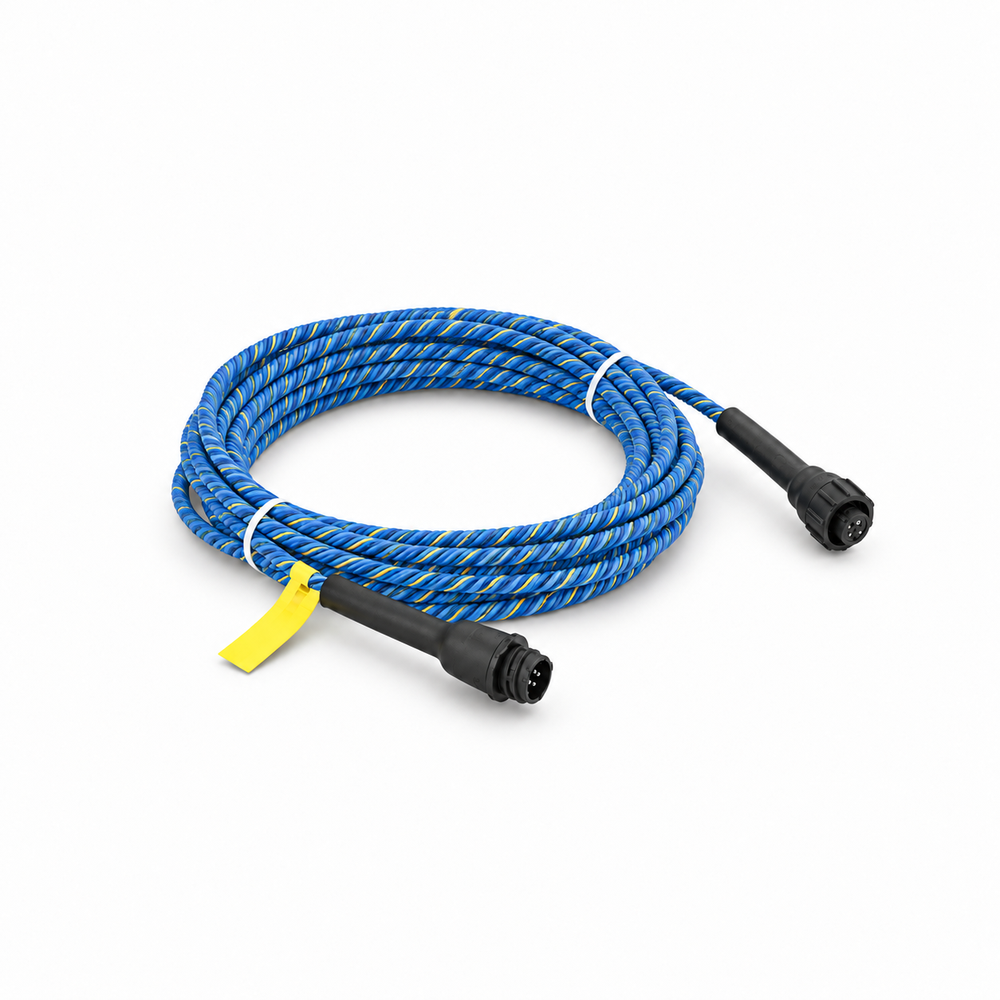
This sensing cable is placed where coolant leakage would be noticed by its conductive sensing elements. The manufacturer presents it for liquid-cooled servers and adjacent equipment; a compatible alarm circuit remains a separate design choice.
Construction and interfaces
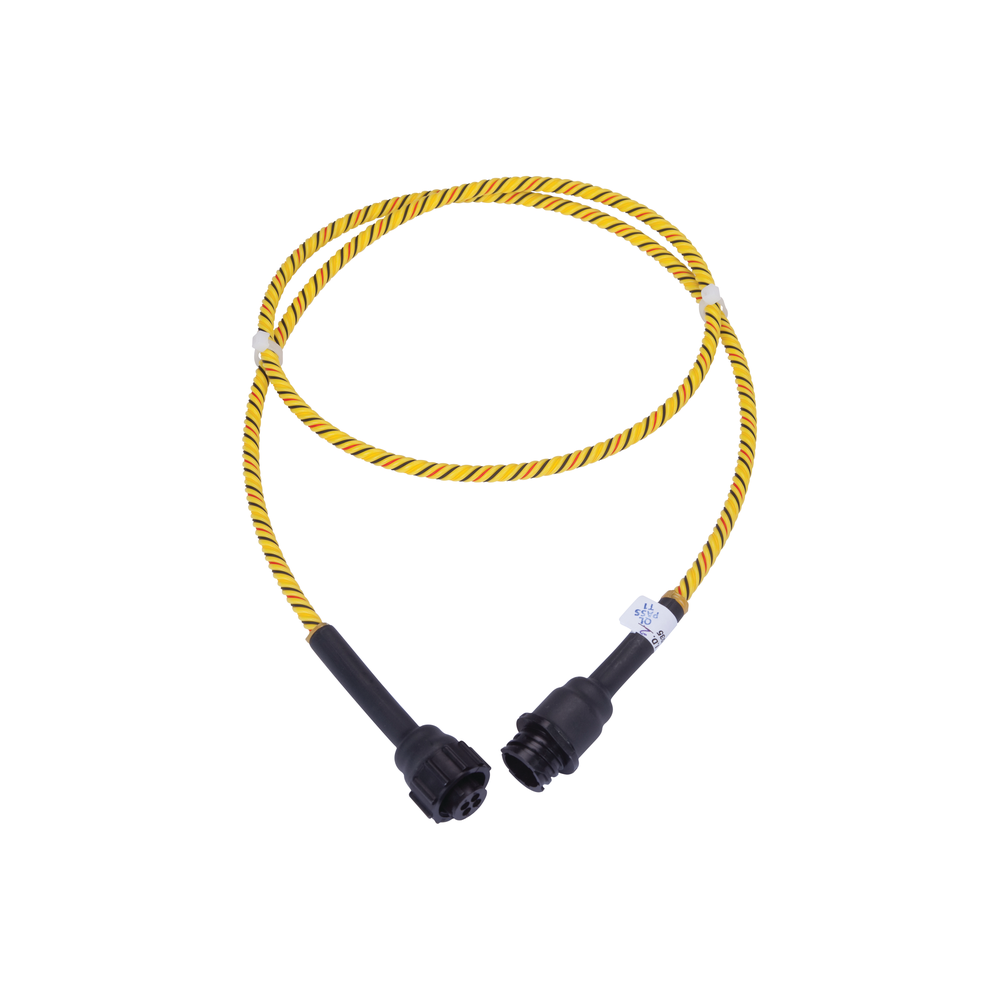
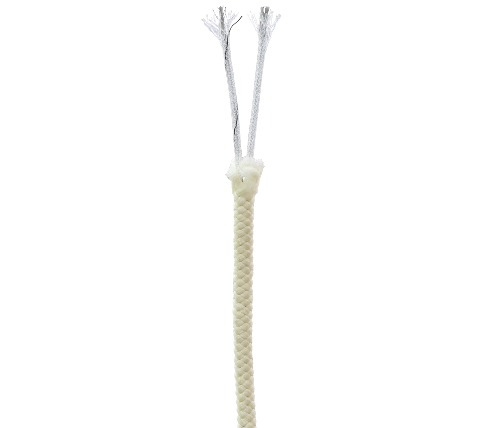
The reference image shows the braided outer layer and exposed conductor end, but not a complete installed cable assembly. The manufacturer's page identifies a braided dust-resistant exterior around conductive inner wires.
Selection and documented data
Choose the cable route, sensing coverage, connector and alarm-controller interface together. The documented -40 to 70 °C value belongs to the MA1YHZ0102(1.0) reference, not every leak cable.
Standard and optional configuration
Cable length, end termination, mounting and controller pairing should be specified for the project; no universal alarm threshold or unsupported connector choice is implied.
Application and evidence limits
Conductive detection depends on the actual coolant and matched electronics. The image is a cropped cable view, not dimensional proof of a finished length or evidence of authorization to publish it.
Define for quotation
Provide coolant and concentration, sensing route and length, preferred termination, controller input requirements, temperature envelope and acceptance test.