Technical selection
Specifications and configuration
Reference — CYSL
| Parameter | Documented value / configuration |
|---|---|
| Effective diameter options | DN3 to DN8Conditions: scope: series range; exact part needed |
| Body material | 316 stainless steelConditions: scope: body, not full wetted-material list |
| Locking mechanism | Ball-locking push-to-connect mechanismConditions: scope: manufacturer series description |
| Listed operating temperature | -40 to +125 degCConditions: scope: website series summary; seals, coolant and pressure-temperature pairing not provided |
Manufacturer series reference. Confirm the exact order code, mating parts and stated conditions for the quoted configuration.
Overview
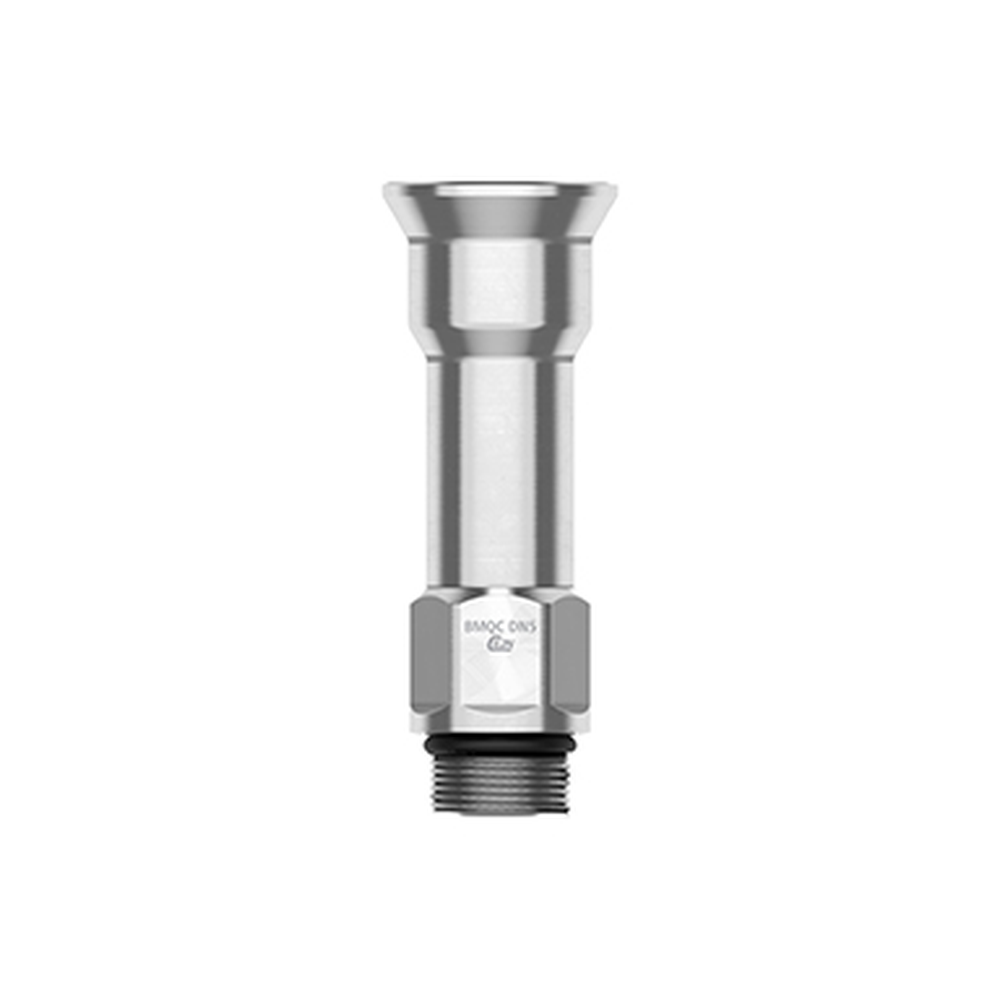
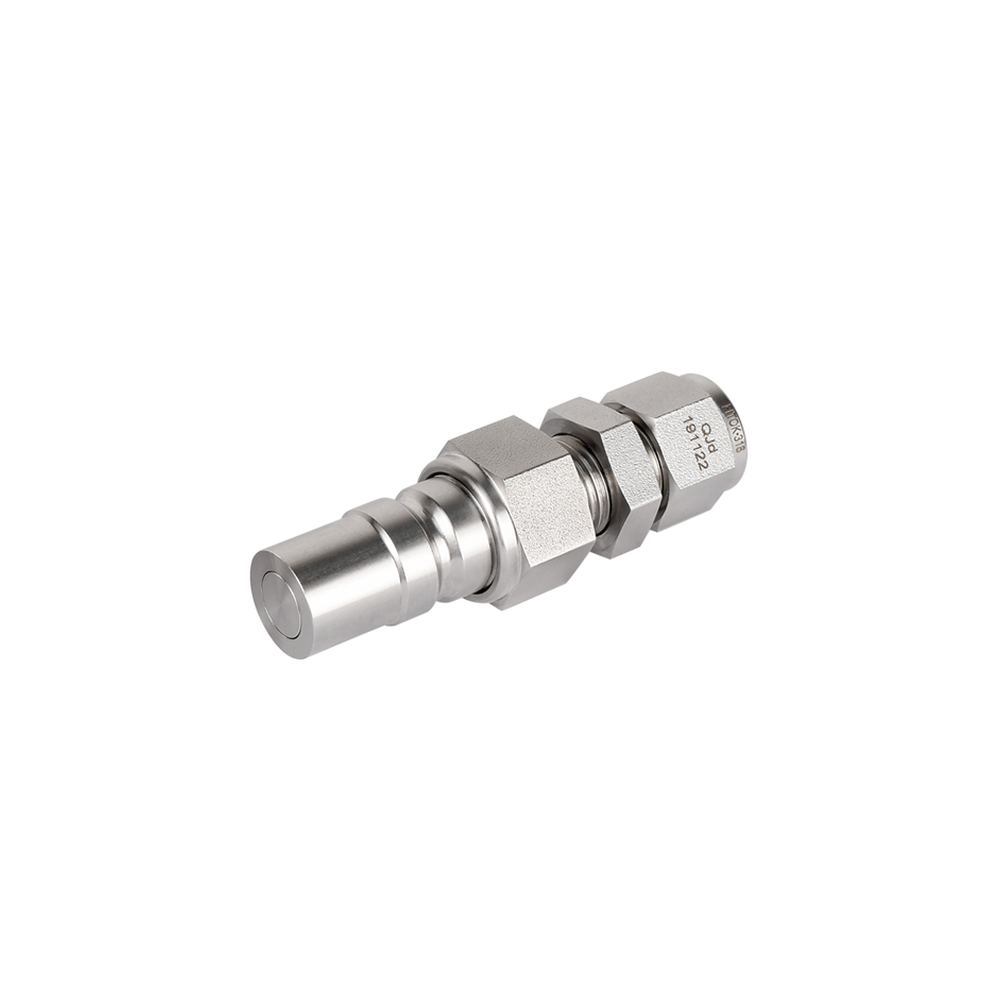
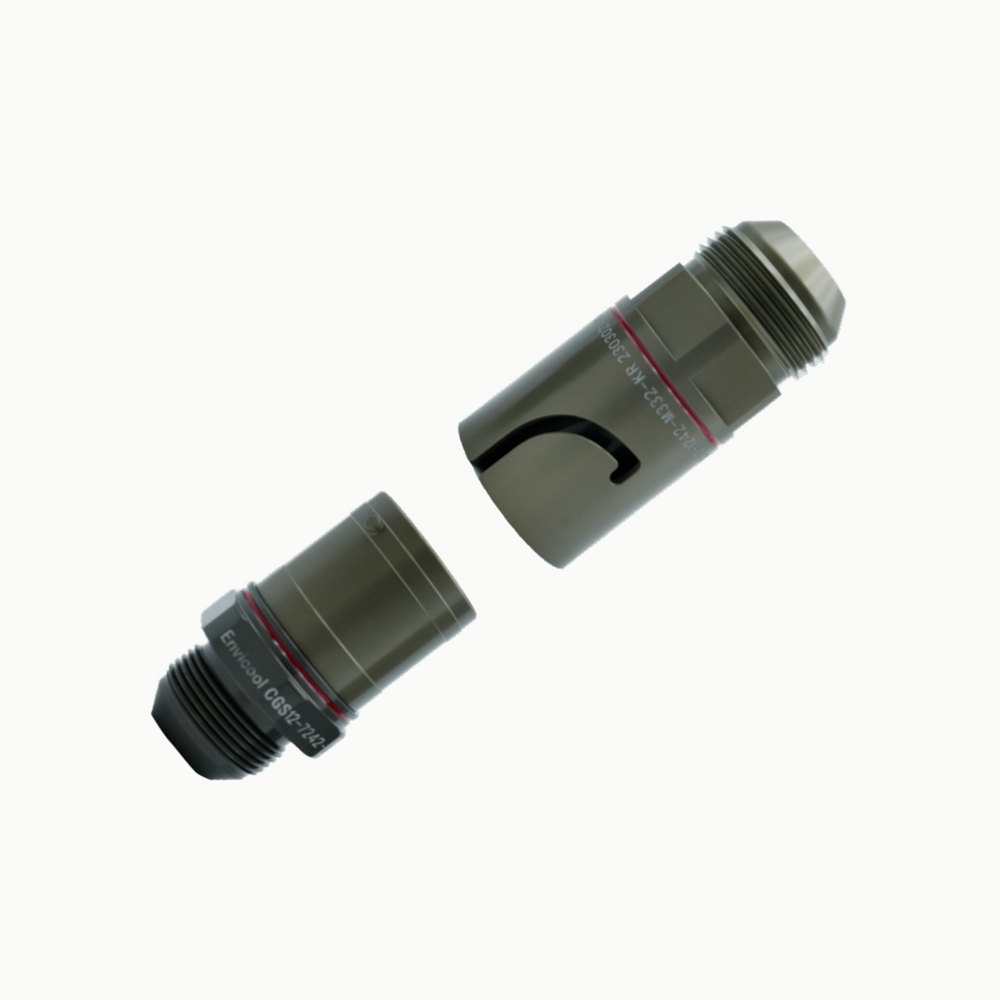
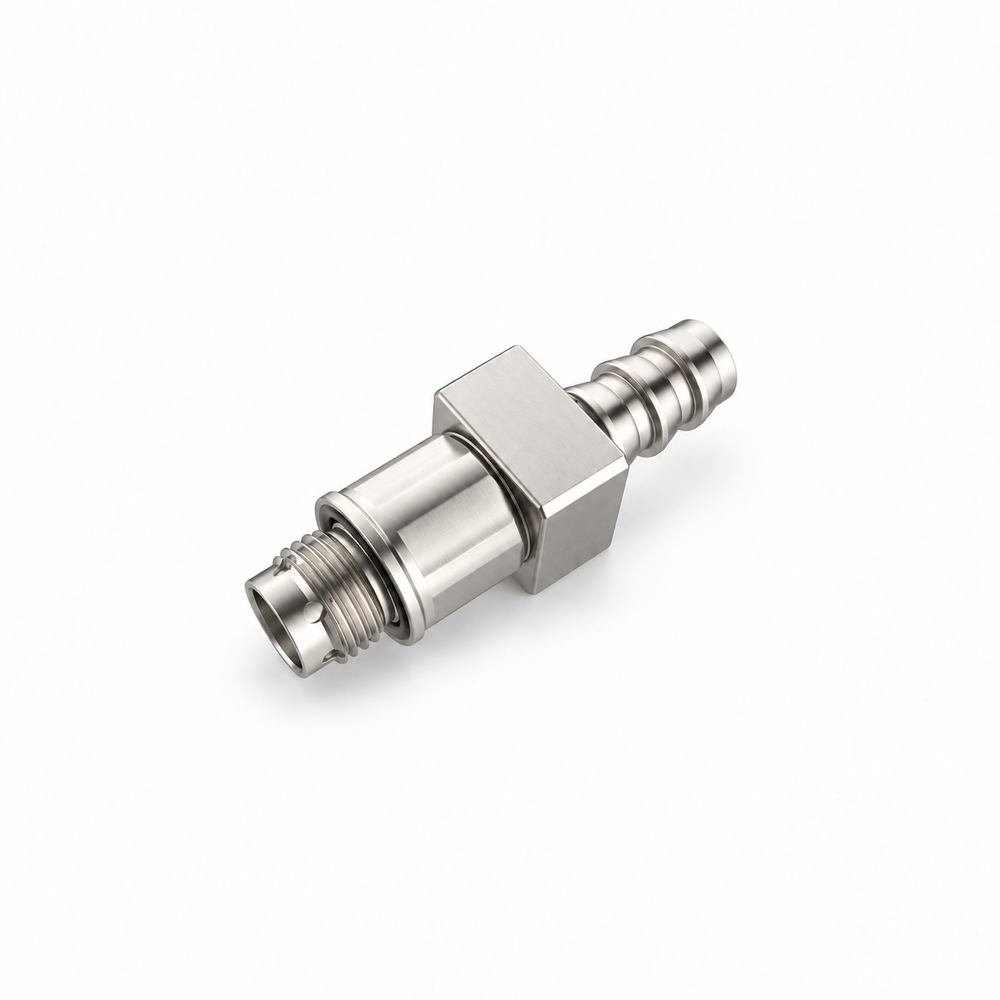
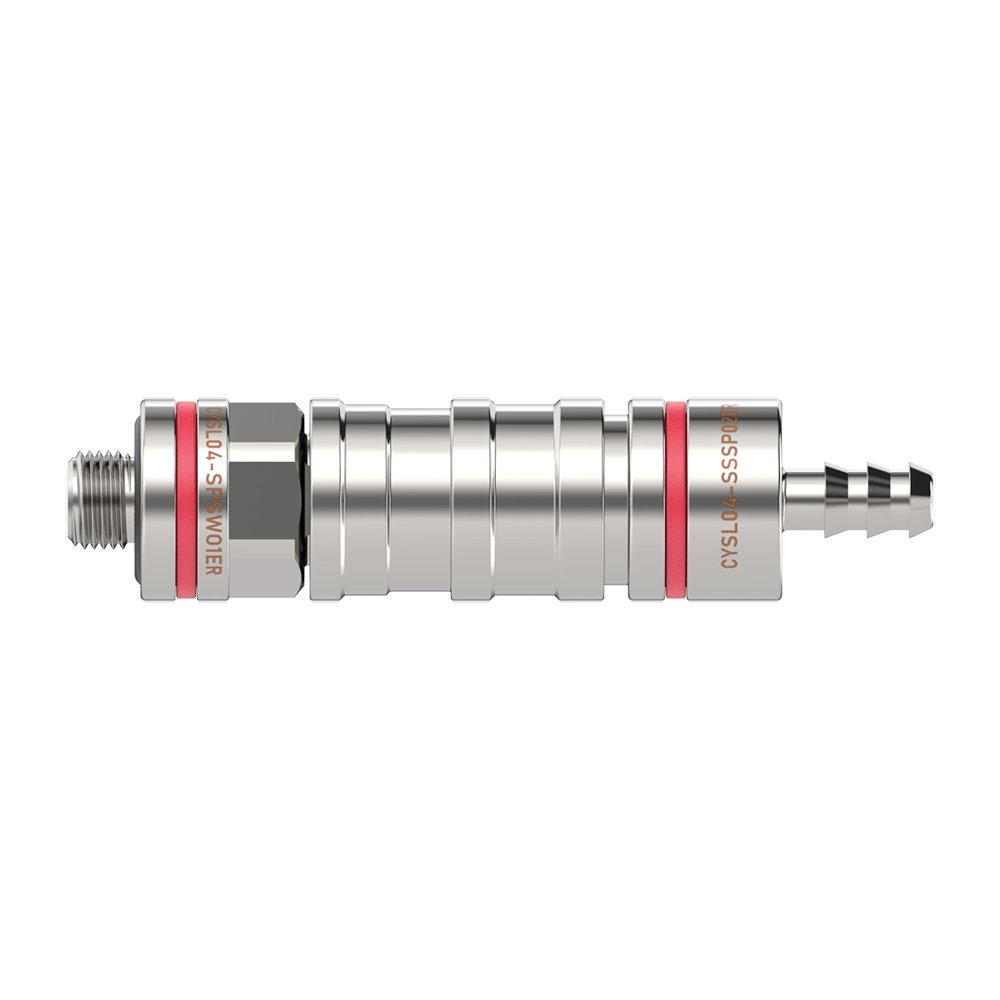
A manually joined quick coupling with a ball-lock mechanism can create a serviceable coolant-line connection where a technician has access to both halves. The image is a CYSL04 series example, not proof of every diameter's geometry.
Construction and interfaces
The manufacturer identifies 316 stainless steel as the body material and describes a push-to-connect ball-lock arrangement. Seal grade, all wetted surfaces, end form and precise release method still depend on the chosen configuration.
Selection
Check the matched socket and plug, retention strength, connection and disconnection access, coolant chemistry, allowable pressure drop and installed temperature. A series-level temperature span is not a combined pressure-temperature-coolant rating.
Configuration options
The source lists DN3 through DN8 effective-diameter options. Select the actual size, mating ends, seals, mounting space and documentation as a coordinated pair; the photograph should not be used as a dimensional drawing.
Application limits
The source does not establish cross-manufacturer interchangeability, a leak-free disconnect, or suitability for a particular glycol concentration. Those claims require the exact controlled part and its tests.